Elevating Brand Identity: The Strategic Impact of the Drybrush Display Font
In the rapidly evolving landscape of visual communication, the choice of typography is no longer a mere aesthetic decision; it is a strategic imperative. As brands vie for attention in an increasingly saturated digital ecosystem, the need for distinctiveness has never been more critical. Enter Drybrush, an incredibly unique display font that has emerged as a powerful tool for professionals seeking to differentiate their work. Masterfully designed to become a true favorite, this font has the potential to bring each of your creative ideas to the highest level, bridging the gap between raw artistic expression and polished commercial viability.
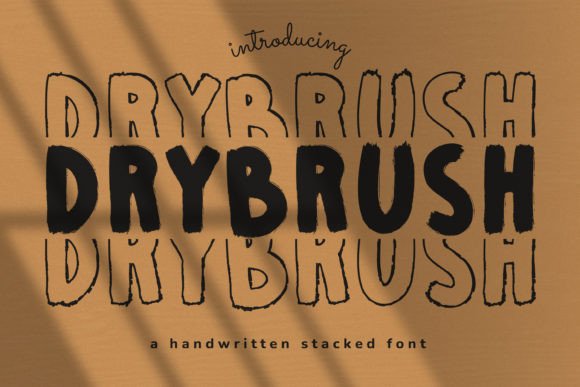
The modern consumer is sophisticated and visually literate. They can instinctively distinguish between generic, template-driven design and bespoke, thoughtful craftsmanship. This shift in consumer expectation drives the current market trend toward authenticity and tactile realism, even within digital mediums. Drybrush taps directly into this cultural moment. By mimicking the organic texture of a paintbrush with depleted ink, it introduces a sense of human imperfection and artisanal quality that sterile, geometric sans-serifs often lack. For marketers, entrepreneurs, and freelancers, understanding how to leverage such a typeface is key to resonating with audiences who crave genuine connection.
The Intersection of Digital Precision and Analog Warmth
To understand why Drybrush is capturing the attention of the design community, one must look at the broader trajectory of design technology. For years, the industry leaned heavily towards ultra-clean, vector-perfect lines that signaled efficiency and modernity. However, as artificial intelligence and automated design tools make perfect geometry ubiquitous, the value of "human touch" has skyrocketed. Brands are now actively seeking ways to inject soul back into their visuals.
This font serves as a bridge between these two worlds. It offers the scalability and legibility required for digital platforms while retaining the gritty, textured nuance of traditional painting. When a creator utilizes Drybrush, they are not just selecting a font; they are making a statement about their brand's personality. It suggests confidence, creativity, and a willingness to break away from the homogenized look of corporate standardization. This alignment with the trend of "digital humanism" explains why forward-thinking agencies and independent creators are integrating it into their workflows.
Adapting to Changing Workflow Expectations
The relevance of Drybrush extends beyond its visual appeal; it addresses changing needs in professional workflows. In the past, achieving a high-quality dry brush effect required extensive manual illustration or complex layering techniques in raster-based software. This was time-consuming and often difficult to edit or scale. Today, the availability of a dedicated display font streamlines this process significantly.
Professionals can now deploy complex textural typography with the ease of typing a sentence. This efficiency allows designers to iterate faster, test more concepts, and maintain consistency across various deliverables without sacrificing the custom look. For freelancers managing tight deadlines, this capability is invaluable. It empowers them to deliver premium, custom-feeling assets that previously would have required a budget for custom lettering. The font fits seamlessly into modern design suites, ensuring that the transition from concept to final output is smooth and reliable.
Practical Applications Across Industries
The versatility of Drybrush makes it applicable across a wide spectrum of industries, though its impact is most profound where emotional resonance is paramount. Consider the following sectors where this typeface is reshaping visual strategies:
- Craft and Artisanal Goods: Brands selling handmade soaps, small-batch coffees, or artisanal foods rely on packaging that communicates care and tradition. Drybrush provides the perfect typographic voice to convey "hand-crafted" without needing custom illustrations for every label variation.
- Lifestyle and Wellness: The wellness industry often struggles to balance professionalism with approachability. The organic strokes of Drybrush soften the visual language of health apps, yoga studios, and organic supplement lines, making them feel more inviting and less clinical.
- Entertainment and Media: Movie posters, album covers, and event flyers require immediate visual impact. The high-contrast texture of this font grabs attention in thumbnail sizes and large-format prints alike, signaling energy and dynamism.
- Fashion and Streetwear: Urban fashion brands often utilize bold, graphic typography to assert identity. Drybrush offers an edgy, rebellious aesthetic that aligns perfectly with street culture, allowing for striking logo designs and apparel graphics.
Furthermore, the font's utility is not limited to static media. In the realm of motion graphics and video editing, textured typography adds depth and movement that flat colors cannot achieve. When animated, the varying opacity and edge details of Drybrush create a dynamic interplay with light and shadow, enhancing the production value of social media content and digital advertisements.
Strategic Implementation for Maximum Impact
While Drybrush is a powerful asset, its effectiveness relies on strategic implementation. Using a display font of this nature requires a nuanced understanding of hierarchy and contrast. Because the texture is rich and detailed, it performs best when used for headlines, logos, and short impactful phrases rather than body copy. Overuse can lead to visual fatigue, diminishing the very uniqueness that makes the font valuable.
Successful integration involves pairing Drybrush with complementary typefaces. A clean, neutral sans-serif or a classic serif for body text allows the display font to shine as the focal point. This contrast ensures readability while maintaining the desired aesthetic tone. Additionally, color selection plays a crucial role. While the font shines in black and white, experimenting with deep, saturated colors or gradients can further enhance the three-dimensional illusion of the brush strokes.
Entrepreneurs and marketers should view the adoption of such a distinctive typeface as part of a larger brand narrative. It is not enough to simply swap out a font; the visual identity must be cohesive. If a brand positions itself as cutting-edge and technological, a rough, textured font might send mixed signals unless intentionally juxtaposed for irony or specific campaign goals. However, for brands rooted in creativity, lifestyle, and human connection, Drybrush acts as a catalyst for stronger brand recall.
The Future of Expressive Typography
As we look toward the future of design, the demand for expressive, character-rich typography will only continue to grow. The digital space is becoming more immersive, with augmented reality and interactive web experiences demanding assets that feel tangible and real. Fonts like Drybrush are pioneering this shift, proving that digital type does not have to feel cold or detached.
For the modern creator, staying ahead of the curve means recognizing these shifts early. Incorporating unique display fonts into your toolkit is a proactive step toward future-proofing your creative output. It demonstrates an awareness of current cultural undercurrents and a commitment to quality. Whether you are designing a startup's logo, crafting a marketing campaign, or developing a personal portfolio, the right typography can elevate the perceived value of your work instantly.
In conclusion, Drybrush is more than just a collection of characters; it is a design solution tailored for the contemporary era. It answers the call for authenticity in a digital world, offering a blend of artistic flair and functional utility. By mastering its use, professionals can unlock new levels of creative potential, ensuring their ideas not only reach their audience but resonate with them on a deeper, more visceral level. As the market continues to reward distinctiveness, tools that facilitate unique expression will remain indispensable assets for those willing to innovate.
Ultimately, the goal of any design professional is to communicate effectively and memorably. With a resource as masterfully designed as Drybrush, achieving that goal becomes a more attainable and exciting endeavor. It invites creators to push boundaries, experiment with texture, and ultimately, bring their vision to the highest level of execution.